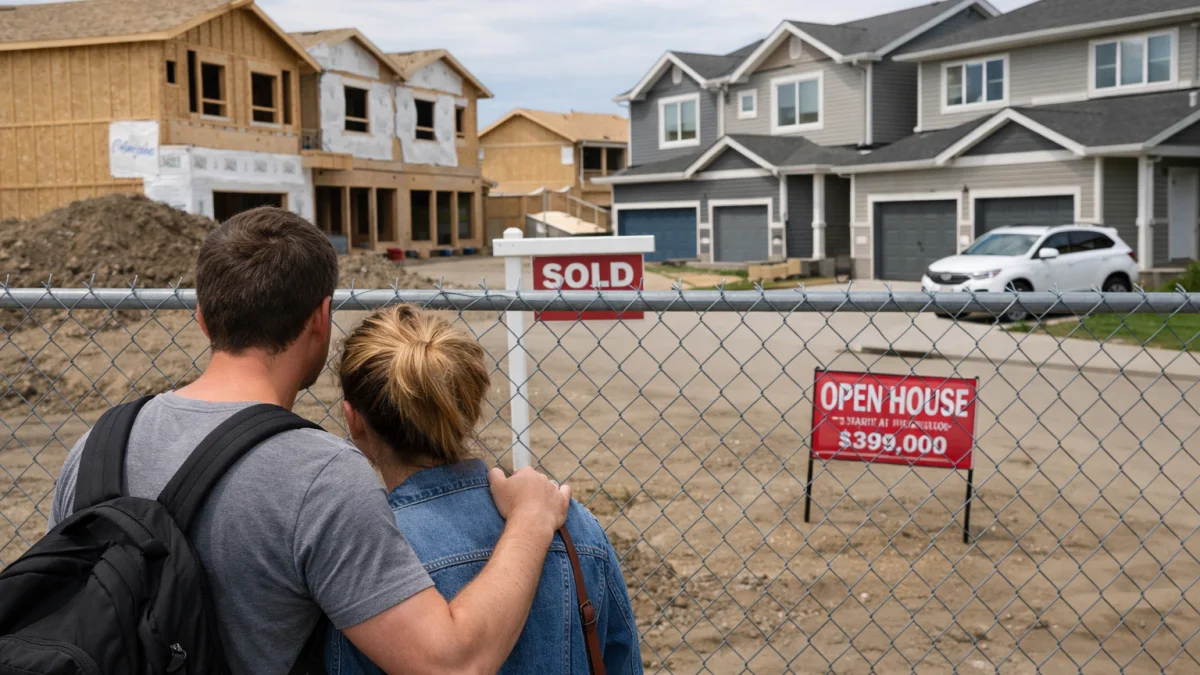
WASHINGTON — The gap between aspiring homebuyers and homeownership is widening as a shrinking supply of entry-level homes, elevated mortgage rates and persistently high prices leave many non-homeowners unable to afford even the least expensive properties on the market, according to recent housing analyses.
Fewer than four in 10 U.S. households that do not already own a home can afford a typical starter home, according to an analysis released this week by LendingTree. The study found that about 38% of non-homeowner households could afford an entry-level property, defined as a home valued at the 25th percentile of the local market.
Housing economists say affordability pressures have intensified even as inventories have improved modestly in some markets. Rising home prices over the past several years, combined with mortgage rates that remain well above pandemic-era lows, have substantially increased monthly ownership costs for first-time buyers.
Industry data indicate that the shortage of affordable homes has become increasingly concentrated at the lower end of the market. Realtor.com estimated earlier this year that the U.S. housing supply deficit widened to more than 4 million homes in 2025, reflecting years of underbuilding that have constrained inventory and pushed ownership further out of reach, particularly for younger households and first-time buyers.
The National Association of Home Builders said affordability remains a significant obstacle despite modest improvements during the first quarter of 2026. According to its Housing Cost of Housing Index, a family earning the national median income would need to devote about one-third of its income to mortgage payments on a median-priced home, while lower-income families would face substantially heavier burdens.
The NAHB also estimates that roughly 88 million U.S. households are already unable to afford the median-priced new home under current financing conditions, with even small increases in prices pushing additional households beyond qualifying thresholds.
Researchers say the market is also being affected by a "lock-in" effect, in which existing homeowners with low-rate mortgages are reluctant to sell, limiting the number of homes available for purchase. At the same time, builders have continued to face higher construction costs and regulatory constraints that have limited production of smaller, lower-priced homes.
Housing economists broadly agree that expanding the supply of entry-level housing remains central to improving affordability, although they caution that significant increases in inventory are likely to take years. Until then, many prospective buyers are expected to remain renters as the gap between incomes and home prices persists.