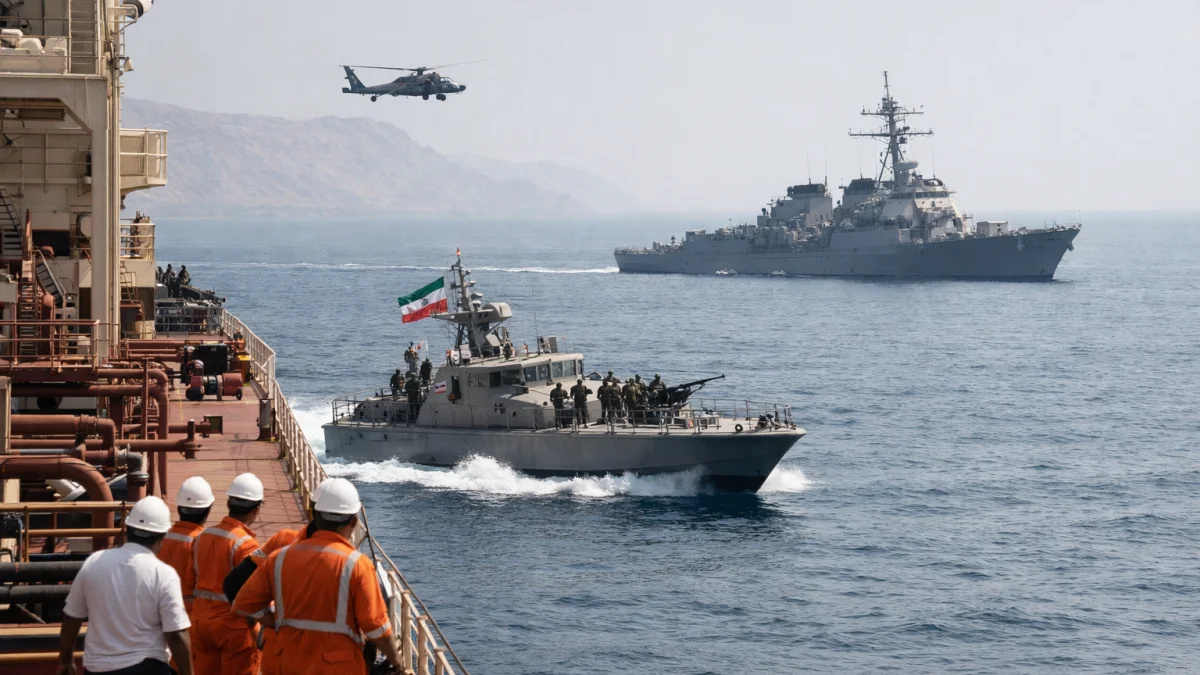
The latest developments in the Strait of Hormuz suggest that the immediate risk of a prolonged disruption to global energy supplies has eased, but they have also reinforced the vulnerability of the international energy system to geopolitical conflict. Commercial shipping has gradually resumed following indirect U.S.-Iran talks and a fragile de-escalation process, yet Tehran has continued to assert authority over vessel movements through the strategic waterway while warning against expanded foreign military involvement. Recent shipping data indicate that traffic is recovering but remains below normal levels, reflecting continued caution among shipowners, insurers, and energy traders.
The significance extends beyond the reopening of a single maritime route. The Strait of Hormuz remains the world's most important oil transit chokepoint, carrying roughly one-fifth of globally traded crude oil and a substantial share of liquefied natural gas exports from major Gulf producers. Even temporary disruptions can reverberate through global energy markets, affecting fuel prices, shipping costs, inflation, and industrial supply chains far beyond the Middle East. The events of recent months have demonstrated that energy security increasingly depends not only on production capacity but also on the resilience of transportation networks and international maritime governance.
Market reactions illustrate how rapidly geopolitical risk can reshape expectations. During the height of the confrontation, oil prices surged as traders anticipated severe supply shortages. Since shipping flows have partially recovered and diplomatic contacts resumed, analysts surveyed by Reuters have reduced their forecasts for average oil prices in 2026, reflecting expectations that immediate supply disruptions will be less severe than previously feared. Nevertheless, analysts caution that prices continue to include a geopolitical risk premium because the underlying political disputes remain unresolved.
Shipping patterns also reveal that recovery remains incomplete. Vessel traffic has increased compared with the period immediately following the confrontation, but transit volumes continue to fluctuate, and operators remain cautious because of uncertainty surrounding navigation procedures, security risks, and insurance costs. Industry tracking data show that daily crossings remain below historical norms on several days, highlighting that restoring confidence takes longer than reopening a waterway.
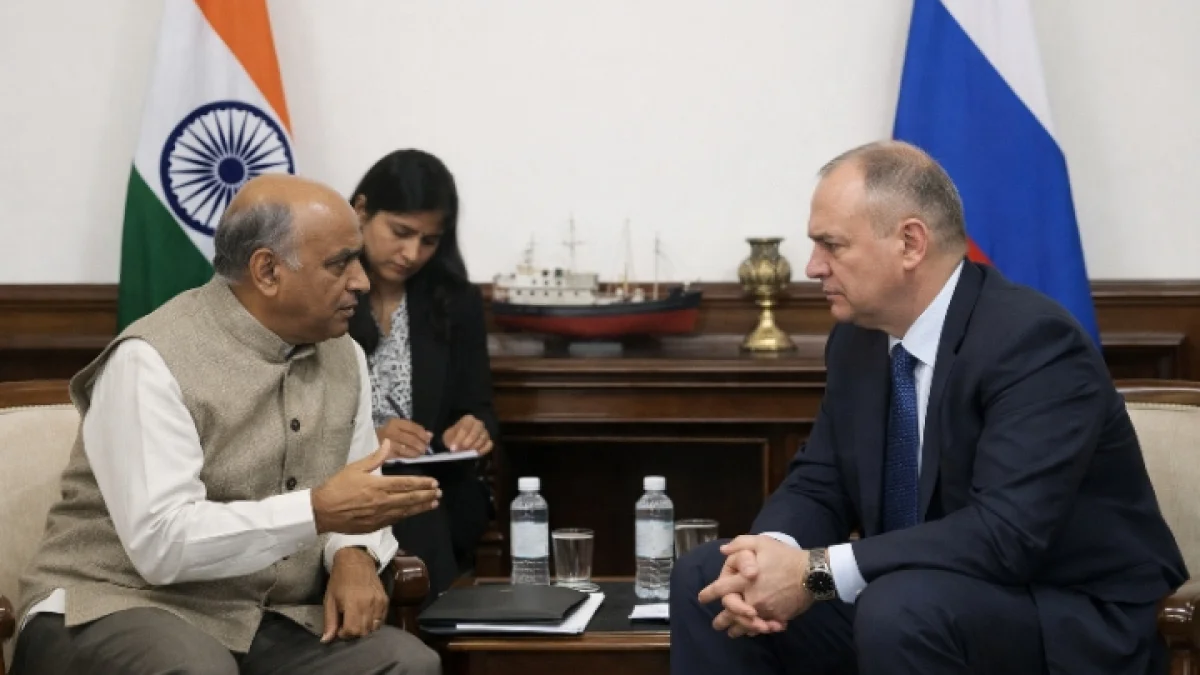
Another important consequence has been the renewed emphasis on diversification. Energy-importing economies have accelerated efforts to reduce dependence on a single maritime corridor by expanding strategic petroleum reserves, investing in domestic refining capacity, securing alternative suppliers, and developing additional pipeline and shipping infrastructure. India's recent expansion of refining capacity has been presented by its government as part of a broader strategy to strengthen resilience against external supply shocks, reflecting a wider international trend toward reducing exposure to geopolitical chokepoints.
The crisis has also highlighted the growing intersection between energy security and maritime security. International concern has shifted beyond the possibility of a complete closure of the Strait toward questions about freedom of navigation, commercial shipping rights, and the legal framework governing international waterways. The European Union has introduced sanctions targeting individuals and entities linked to actions that it says threaten freedom of navigation, while governments continue to stress the importance of maintaining safe passage under international law.
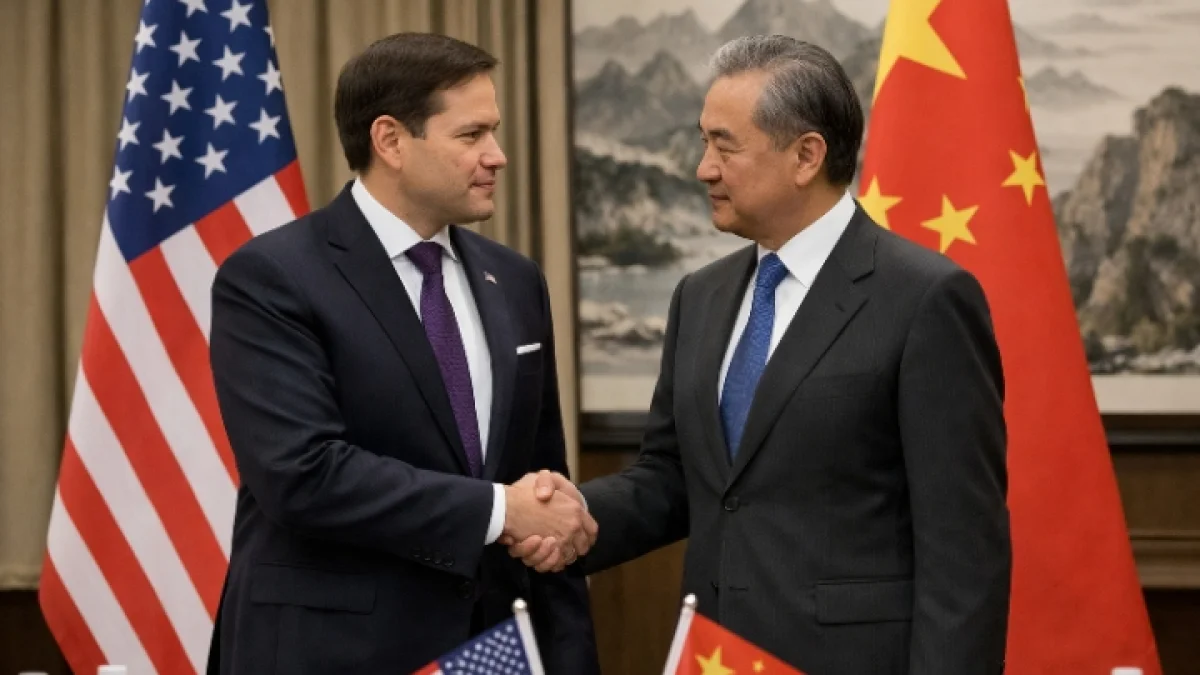
At the diplomatic level, indirect negotiations have reduced immediate military tensions without resolving fundamental disagreements. Tehran has continued to insist on a significant role in regulating shipping through the Strait, while Western governments maintain that international navigation rights must be preserved. This divergence means that although the immediate crisis has eased, uncertainty surrounding future transit arrangements remains an important factor influencing shipping decisions and energy markets.
The episode also underscores broader structural changes in global energy markets. Greater oil production outside the Gulf, expanding liquefied natural gas exports from multiple regions, and more flexible supply chains have improved the market's capacity to absorb short-term disruptions compared with previous decades. However, no alternative route can fully replace the volume of hydrocarbons that normally passes through the Strait of Hormuz. As a result, the waterway continues to represent a critical vulnerability despite increasing diversification.
For governments, energy companies, and investors, the recent standoff has reinforced that resilience depends on multiple layers of protection: diversified supply sources, adequate strategic reserves, secure shipping, effective diplomacy, and transparent international rules governing maritime trade. The crisis has shown that military escalation, even if temporary, can generate significant economic consequences well beyond the immediate conflict zone.
The confirmed situation as of July 5, 2026, is that commercial shipping through the Strait of Hormuz has resumed and oil market conditions have stabilized relative to the peak of the crisis. Nevertheless, transit volumes remain uneven, diplomatic negotiations continue, and governments and energy markets are closely monitoring maritime security, freedom of navigation, and further U.S.-Iran discussions for signs of either sustained de-escalation or renewed tension.