WASHINGTON — The Office of the U.S. Trade Representative is weighing new tariffs on imports from 60 trading partners after concluding that their policies or enforcement related to goods produced with forced labor unfairly burden U.S. commerce, marking the latest step in the Trump administration's effort to reshape its trade policy through Section 301 of the Trade Act of 1974.
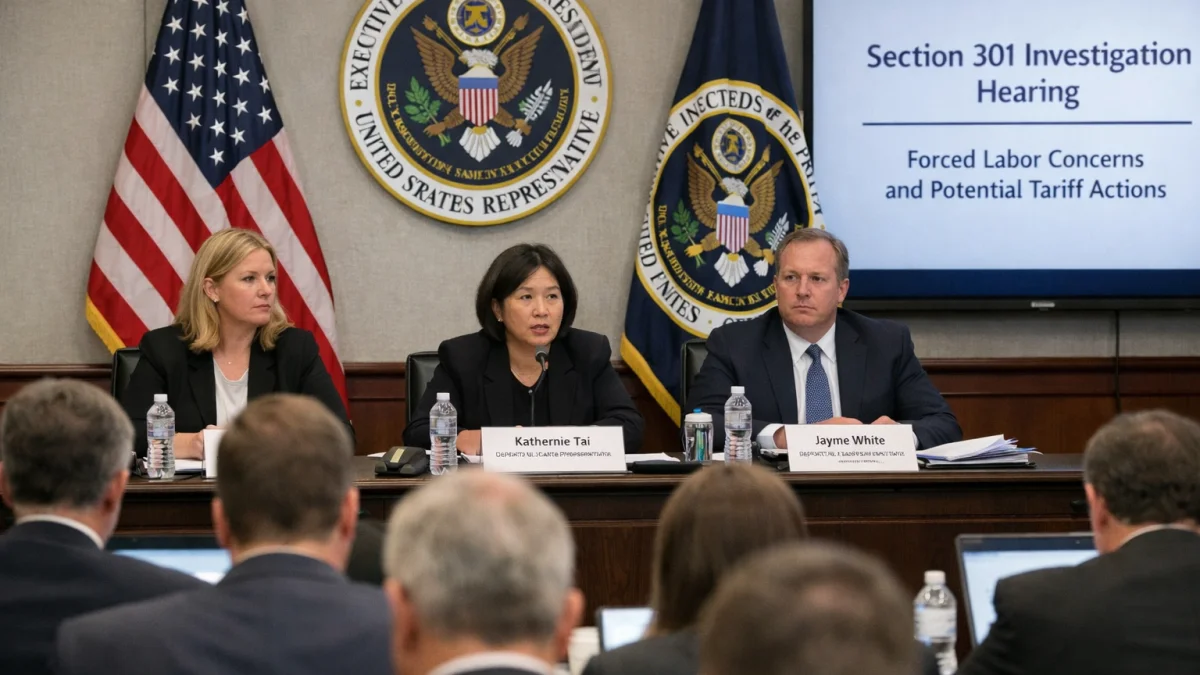
The proposed measures, announced following Section 301 investigations completed in early June, would impose additional duties of either 10% or 12.5%, depending on how USTR assessed each economy's legal framework and enforcement against imports made with forced labor. The agency is accepting public comments through July 6 before holding a public hearing on July 7.
According to USTR, economies that have adopted or committed to implementing restrictions on forced-labor imports, or maintain partial prohibitions, would generally face a proposed 10% tariff. Economies found to have failed to impose or effectively enforce such prohibitions would be subject to a proposed 12.5% duty. The investigations cover major U.S. trading partners, including China, India, Japan, the European Union, the United Kingdom, Canada and Mexico, although some products and trade agreement exceptions would apply.
The agency said inadequate action against forced-labor imports creates an uneven competitive environment for U.S. workers and businesses by allowing goods produced under exploitative conditions to enter global supply chains. USTR's proposal includes exemptions for a range of products, including certain agricultural goods, pharmaceuticals, energy products and other strategic inputs intended to limit disruptions to critical supply chains.
The proposal follows a U.S. Supreme Court ruling earlier this year that invalidated the administration's previous use of emergency powers for broad tariff actions, prompting officials to rely more heavily on authorities available under Section 301. Existing temporary tariffs imposed under separate legal authority are scheduled to expire later in July, and the administration has positioned the new proposal as part of a revised trade enforcement framework.
Several affected trading partners have challenged the U.S. findings. Mexico said exports that comply with the U.S.-Mexico-Canada Agreement's rules of origin would be exempt from the proposed tariff after discussions with U.S. officials. The European Union has also objected to the proposal, pointing to its own legislation aimed at restricting products linked to forced labor, although key provisions are not scheduled to take effect until 2027.
USTR has not announced a final decision on the tariff rates. The agency is expected to review public submissions and testimony before determining whether to implement the proposed duties.