WASHINGTON — The United States carried out a fresh round of airstrikes against Iranian military targets after two American service members were killed in an Iranian attack in Jordan, escalating a conflict that has intensified following the collapse of a ceasefire, U.S. officials said.
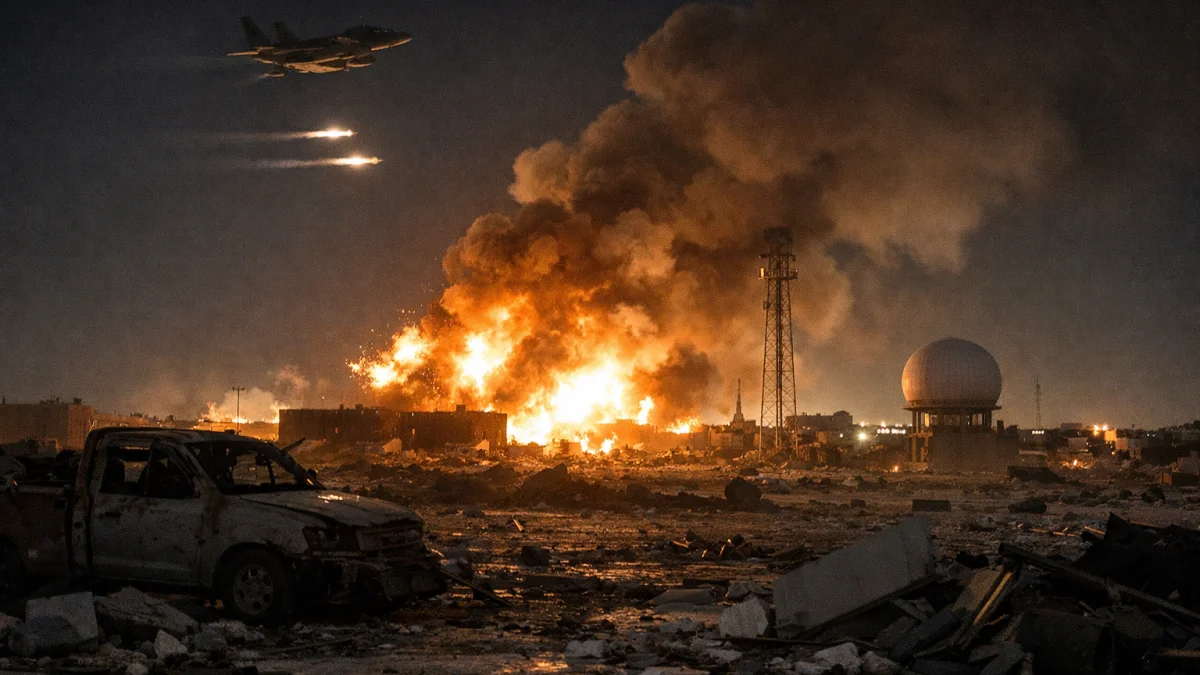
U.S. Central Command (CENTCOM) said the strikes were ordered by President Donald Trump and targeted Iranian military infrastructure, including coastal surveillance facilities, air defense systems, missile and drone storage sites, and other capabilities that U.S. officials said had been used to threaten regional security and commercial shipping.
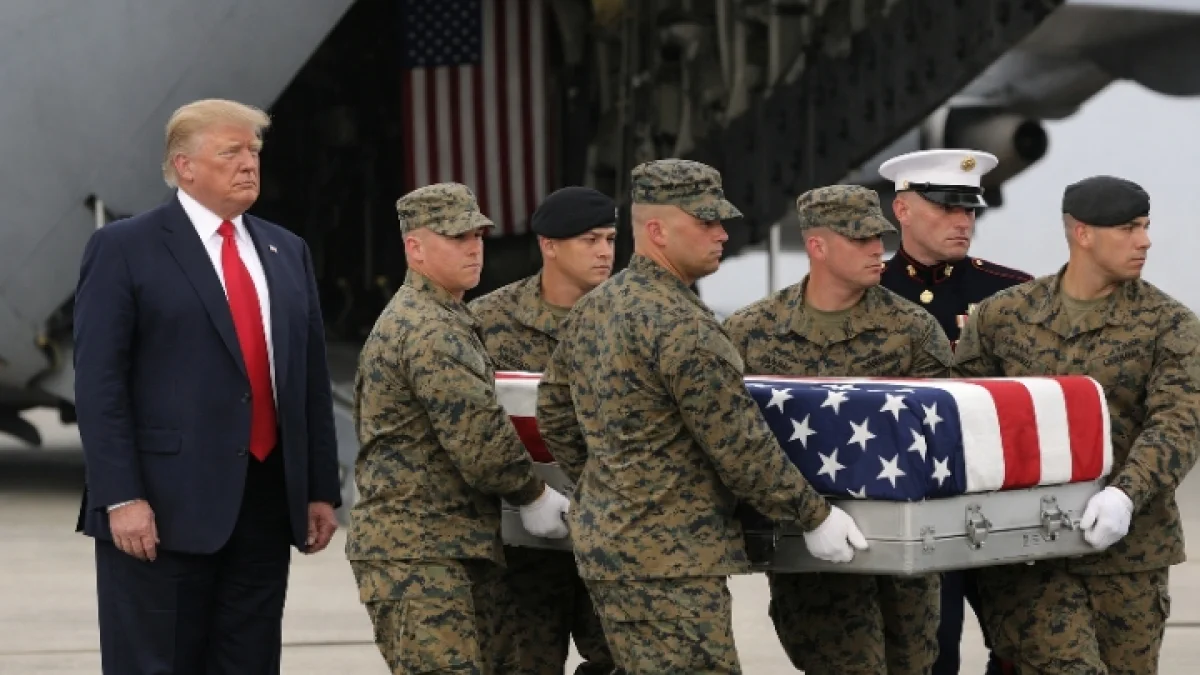
The operation followed an Iranian missile and drone attack on a U.S. position in Jordan that killed two American service members, left another missing, and wounded several others, according to CENTCOM. The identities of the dead have not been released pending notification of their families. U.S. officials said the latest fatalities brought the number of American military personnel killed in the conflict to 16.
CENTCOM said the latest strikes were intended to further degrade Iran's military capabilities and hold those responsible for the Jordan attack accountable. The command added that more than 50,000 U.S. personnel remain deployed across the Middle East and that forces are prepared to continue operations if directed.
Iran rejected U.S. accounts of the operation's impact, saying the strikes caused no significant damage or casualties. Iranian Supreme Leader Ayatollah Mojtaba Khamenei accused Washington of escalating the conflict and warned that further military action would carry consequences, according to Iranian state media and official statements cited by multiple news organizations.
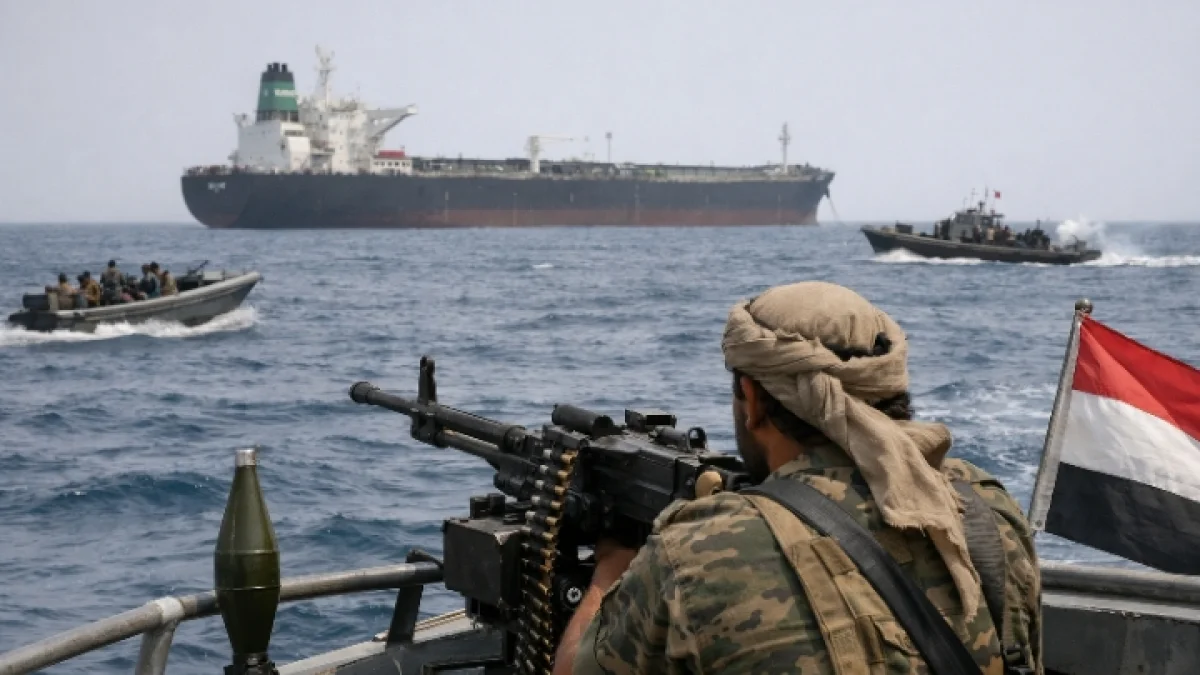
The latest exchange comes after a ceasefire between Washington and Tehran unraveled, triggering renewed military operations across the region. U.S. officials have said recent strikes are aimed at reducing Iran's ability to threaten shipping through the Strait of Hormuz, a vital global energy corridor, while Iran has responded with missile and drone attacks against U.S. military facilities in several countries in the region.
Regional governments have urged restraint as the conflict broadens. The European Union and several Gulf states have called on both sides to avoid further escalation and to safeguard maritime traffic through the Strait of Hormuz, according to official statements.
As of Sunday, U.S. officials had announced no pause in military operations, while Iranian authorities signaled they would continue responding to what they described as U.S. aggression, leaving tensions elevated with no new ceasefire agreement announced.