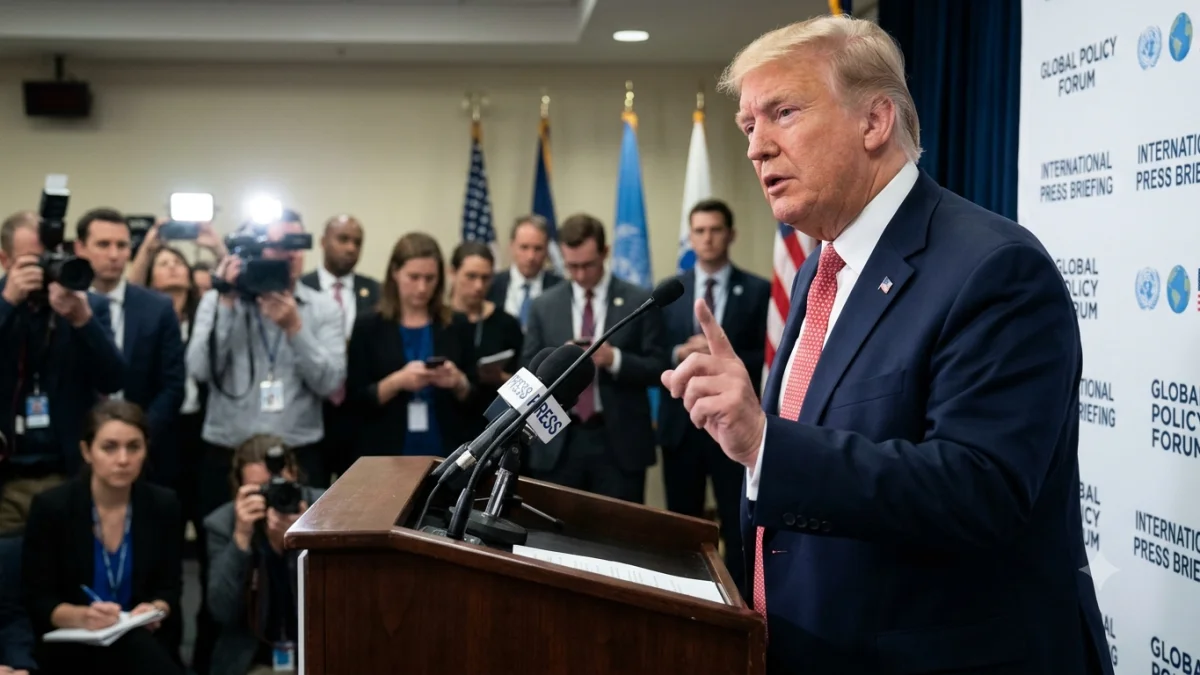
WASHINGTON — U.S. President Donald Trump said on Monday the United States would begin charging a 20% fee on cargo transiting the Strait of Hormuz, saying Washington should be compensated for providing security in one of the world's most strategically important shipping lanes amid renewed conflict with Iran.
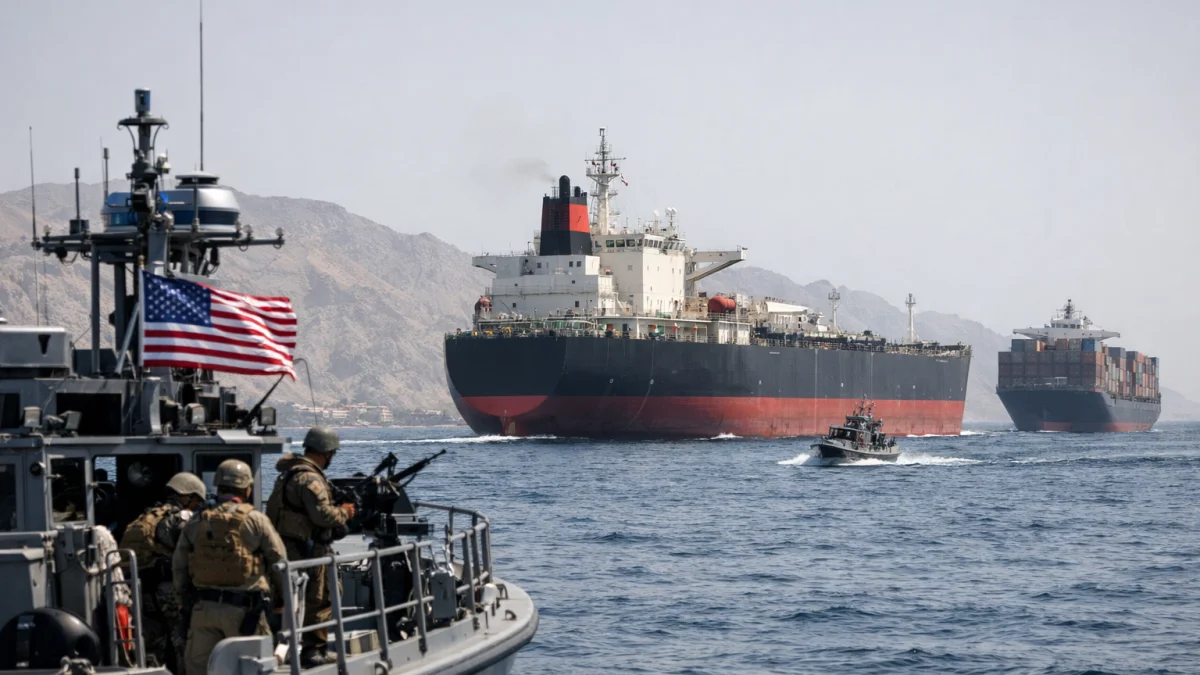
In a post on Truth Social, Trump said the United States would serve as the "guardian" of the Strait of Hormuz and would be "reimbursed" at a rate of 20% on all cargo shipped through the waterway. He also announced that the United States was reinstating a naval blockade targeting Iranian ports and vessels linked to Iran while stating that commercial traffic from other countries would continue to have access to the strait.
The announcement marked a significant departure from the longstanding U.S. position supporting freedom of navigation through the international waterway without transit tolls. The Strait of Hormuz, located between Iran and Oman, carries roughly one-fifth of global oil supplies as well as substantial volumes of liquefied natural gas and other commodities, making any disruption a matter of international economic concern.
The policy announcement came after a ceasefire between the United States and Iran broke down and hostilities resumed around the Gulf. U.S. military operations have focused on Iranian military assets that Washington says threaten commercial shipping, while Tehran has maintained that it has authority over security in the area.
Maritime law specialists and shipping officials said the legal basis for imposing unilateral transit charges on vessels using an international strait remained unclear. International conventions generally protect the right of transit passage through straits used for international navigation, although governments may levy charges for specific services provided to ships under certain circumstances.
No immediate details were released on how the proposed fee would be collected, when it would take effect, or whether congressional approval or additional executive measures would be required. The administration also did not specify how the charge would apply to different categories of cargo or vessels.
The proposal prompted close scrutiny from governments and the global shipping industry because of its potential impact on energy markets and international trade. As of late Monday, no internationally recognized mechanism had been announced to implement the proposed fee, and the administration had not released further operational guidance.