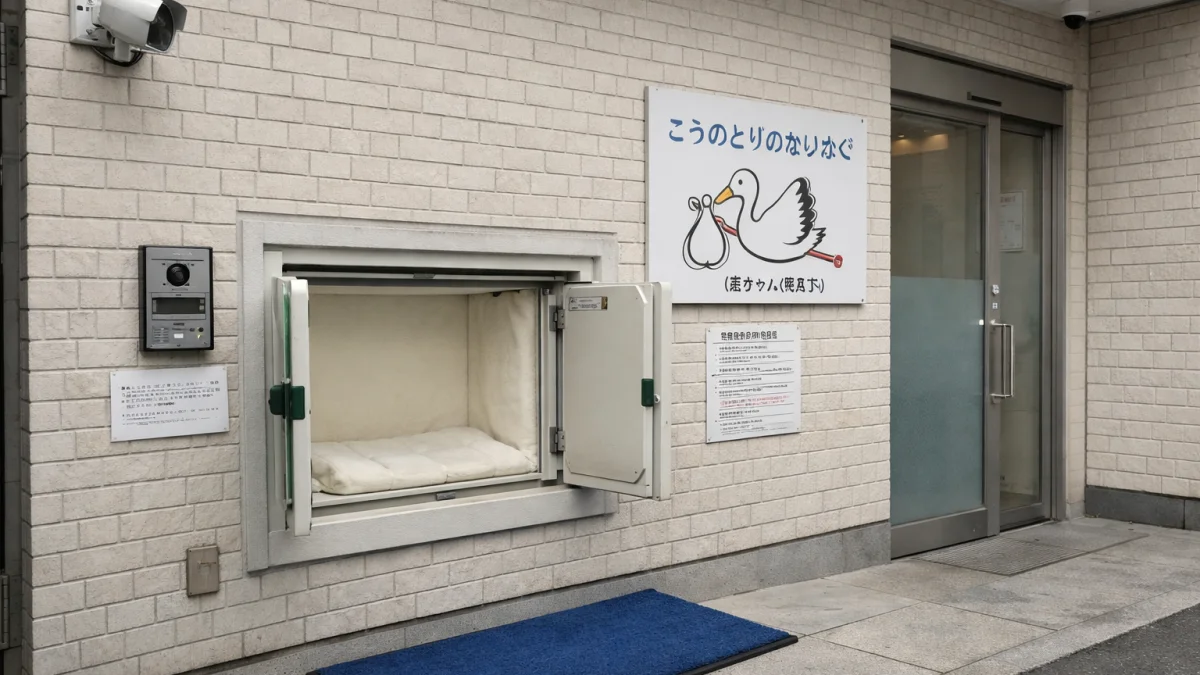
TOKYO — A baby hatch at a Tokyo hospital accepted 20 newborns during its first year of operation, highlighting continued demand for services aimed at protecting infants whose parents feel unable to care for them, according to figures released by the hospital and the Tokyo Metropolitan Government.
San-ikukai Hospital in Tokyo's Sumida Ward said the facility received the 20 infants after launching the service on March 31, 2025, making it the second medical institution in Japan to operate a baby hatch. The hospital disclosed the figures at a news conference on July 2.
Hospital officials said seven of the babies were born through a confidential childbirth program under which only a limited number of hospital staff knew the mothers' identities. The program is intended to provide women facing difficult circumstances with access to medical care while protecting their privacy.
According to San-ikukai Hospital and the Tokyo Metropolitan Government, 19 of the 20 newborns were brought to the hospital within 24 hours of birth. Fifteen required medical treatment, including oxygen therapy, underscoring the medical risks associated with births that occur outside healthcare facilities.
Hospital data showed that 16 of the mothers gave birth at home. Of the mothers whose ages were known, three were under 20 and 12 were in their 20s. Many cited financial hardship as a factor behind their decision, while one reported losing contact with her partner and said she believed she could not raise the child alone.
Hitoshi Kato, head of San-ikukai Hospital, said at the news conference that the cases demonstrated the need for broader support for women experiencing pregnancy in isolation. He called for the establishment of a nationwide confidential childbirth system, saying society should work to eliminate high-risk home births.
The hospital also reported that 20 pregnant women sought consultations regarding confidential childbirth during the first year of the program. Seven subsequently gave birth under confidential arrangements after receiving examinations at the hospital, while two later indicated they intended to raise their children themselves.
Baby hatches allow parents to anonymously leave infants in the care of medical professionals, with the aim of preventing child abandonment and abuse. Japan's first baby hatch was established at Jikei Hospital in Kumamoto in 2007. Children left at San-ikukai Hospital are placed under the protection of child welfare authorities, who arrange temporary care and, where appropriate, pursue longer-term placement, including adoption procedures, in accordance with Japanese child welfare laws.