The first cheers greeted Spain's national team before dawn as their plane touched down in Madrid, less than a day after a tense World Cup final in New Jersey ended with Ferran Torres scoring the extra-time goal that defeated Argentina 1-0 and secured Spain's second men's world title. Fans carrying red-and-yellow flags lined the route from the airport, while players stepped off the aircraft holding football's most coveted trophy after a tournament that culminated in one decisive finish in the 106th minute.
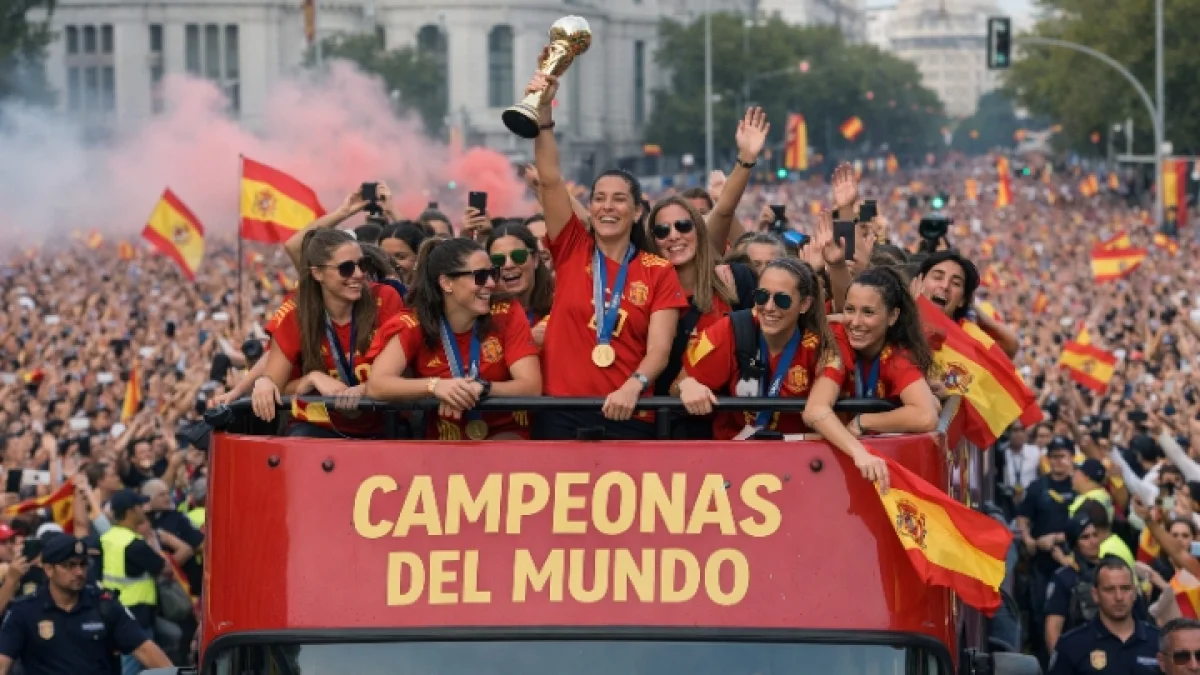
For supporters who had waited 16 years since Spain's only previous World Cup triumph in South Africa, the celebration extended beyond a sporting achievement. The victory brought together generations who remembered Andrés Iniesta's winning goal in 2010 and younger fans who had grown up watching a new Spanish side emerge under coach Luis de la Fuente. By Monday, Madrid authorities were preparing for crowds expected to exceed one million people as the team headed to official receptions before an open-top parade through the capital.
Spain's path to the title reflected a style that became its defining feature throughout the tournament. According to FIFA, the team controlled possession, dictated the tempo and limited opponents' opportunities from the knockout stages onward, including in the final against defending champion Argentina, which failed to register a shot on target despite taking the match into extra time.
The winning goal also carried a personal story.
Torres began the tournament under scrutiny after losing his place in the starting lineup following Spain's opening match. Used as a substitute in the final, he found space inside the penalty area when Nico Williams headed Pedro Porro's cross into his path. Torres struck first time into the roof of the net, delivering the moment that transformed his tournament and Spain's history. FIFA described the goal as the culmination of weeks spent waiting for an opportunity.
Players spoke afterward about persistence rather than relief. Right-back Pedro Porro told FIFA that Spain's identity had remained unchanged from the opening game, emphasizing possession, patience and belief even when goals were slow to arrive. That approach became increasingly significant in knockout matches decided by narrow margins before reaching its climax against Argentina.
For many supporters gathering in Madrid, those qualities resonated as much as the trophy itself. Spain's victory was built less on dramatic comebacks than on consistency, technical discipline and collective organization. Those characteristics prompted praise across the country from political leaders and local officials, who described the title as a moment of national unity while preparing extensive public celebrations in the capital.
On the other side of the result stood an Argentine team confronting a different kind of emotion.
Coach Lionel Scaloni acknowledged that Spain had been the better side while expressing gratitude to the players who had carried Argentina to another World Cup final. Speaking after the match, he said he felt "sadness, but also pride," adding that he would need time to consider his own future after the tournament. His remarks came amid widespread speculation that the final could also represent Lionel Messi's last World Cup appearance at age 39, although Scaloni said he had not yet discussed that question with his captain.
Messi's tournament ended not with another title but with an image that quickly circulated worldwide: Spain's young players embracing one of football's defining figures during the post-match ceremony. The scene underscored what many observers viewed as a symbolic passing of generations, with Spain's emerging stars lifting the trophy that Argentina had won four years earlier.
The final itself was not without controversy. Tensions escalated after the whistle, following an already physical contest that had seen Argentina reduced to 10 players late in extra time. FIFA is expected to review incidents involving players from both teams after post-match confrontations broke out on the field.
Even so, the dominant memories for most Spanish supporters centered on celebration rather than confrontation.
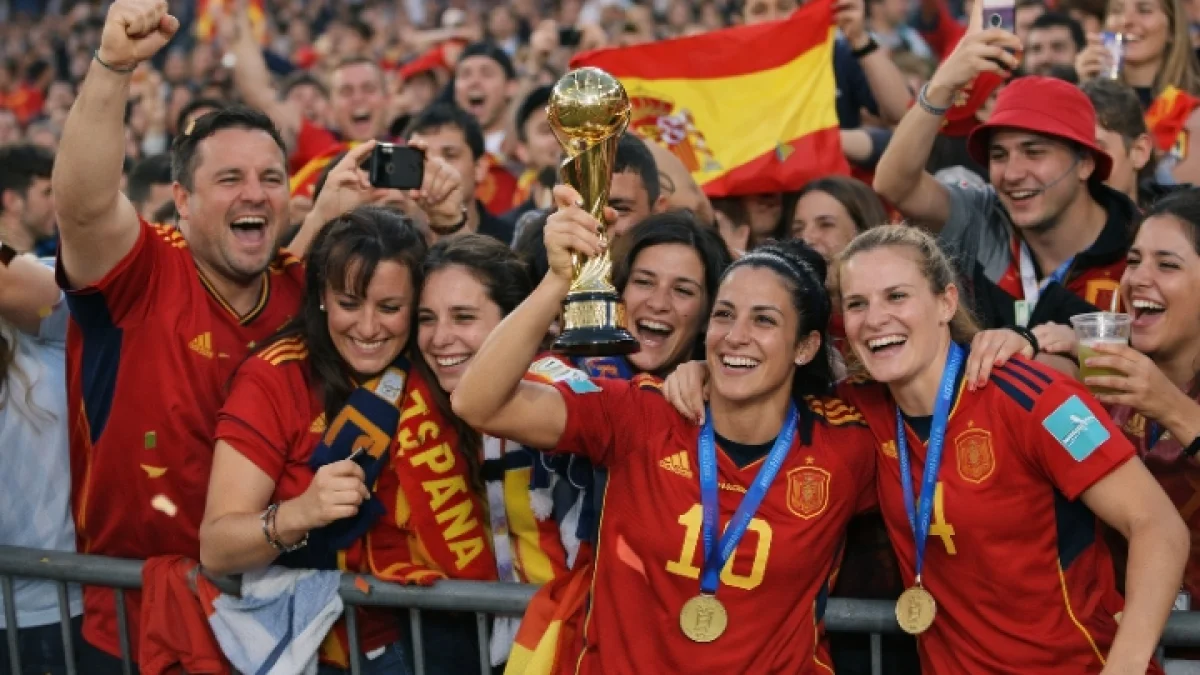
The team's return home featured players posing with the World Cup trophy before joining thousands of fans who had gathered hours before the official festivities began. For many children in the crowd, this was their first opportunity to celebrate a men's World Cup victory. For older supporters, it recalled memories of 2010 while highlighting how a new generation had established its own place in Spanish football history.
Spain's second star arrives during a period when its national teams have enjoyed sustained success across age groups and competitions. Yet players repeatedly emphasized the collective nature of the achievement, pointing to a squad that balanced experienced leaders with emerging talents throughout the tournament.
As celebrations continued across Madrid on Monday, the images shifted from the tension of extra time in New Jersey to scenes of supporters waiting hours for a glimpse of the returning champions. The trophy remained the same one Spain first lifted in 2010, but the faces surrounding it had changed, marking not only the end of one World Cup but the beginning of a new chapter for a national team that once again stands at the summit of international football.