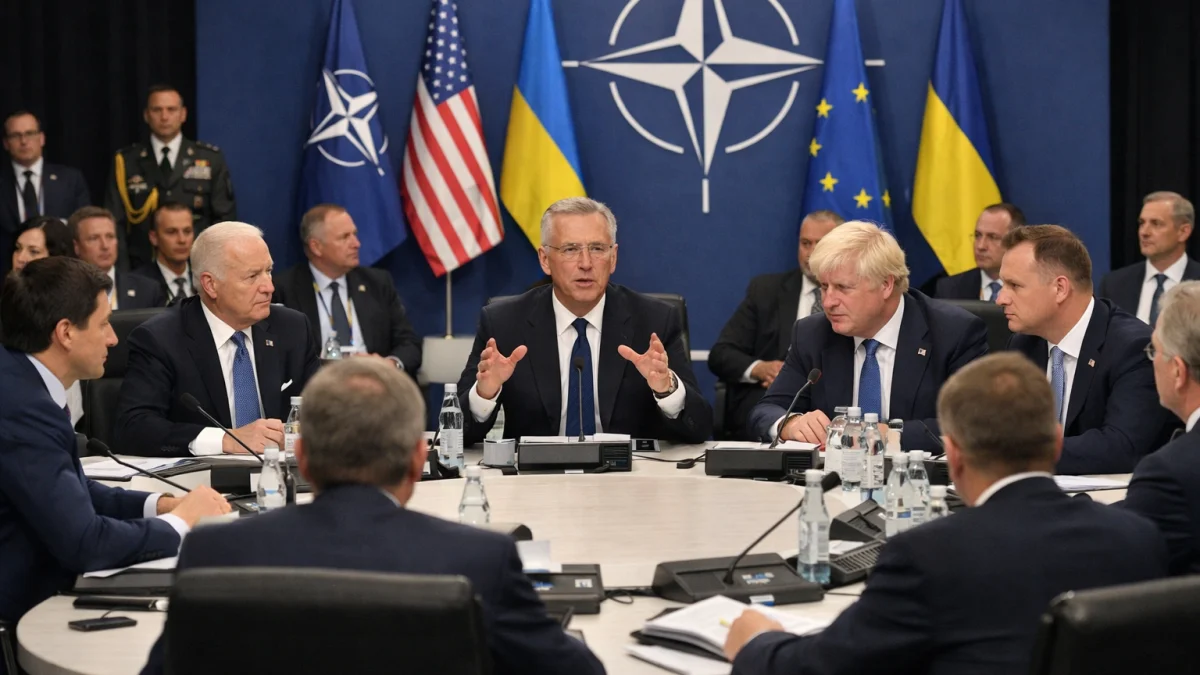
ANKARA — NATO leaders used this week's summit in the Turkish capital to reaffirm long-term support for Ukraine while also addressing the broader security implications of tensions with Iran, underscoring the alliance's effort to manage multiple strategic challenges without shifting its core focus from Russia's war against Ukraine.
The alliance's declaration, issued after the July 7-8 summit, pledged continued military, financial and training assistance for Ukraine, with allies committing €70 billion in support for 2026 and expressing the intention to sustain at least equivalent levels next year. NATO leaders reiterated their support for Ukraine's sovereignty and territorial integrity as Russia's invasion continued.
The declaration also addressed the Middle East, stating that Iran "must never have a nuclear weapon" and calling on Tehran to respect freedom of navigation in the Strait of Hormuz, reflecting concerns that regional instability could affect global security and energy supplies.
The summit came after weeks of heightened international attention on the conflict involving Iran and amid continued fighting in Ukraine, prompting alliance members to examine how overlapping crises could affect NATO's security priorities. Officials maintained that support for Kyiv remained central despite broader geopolitical challenges.
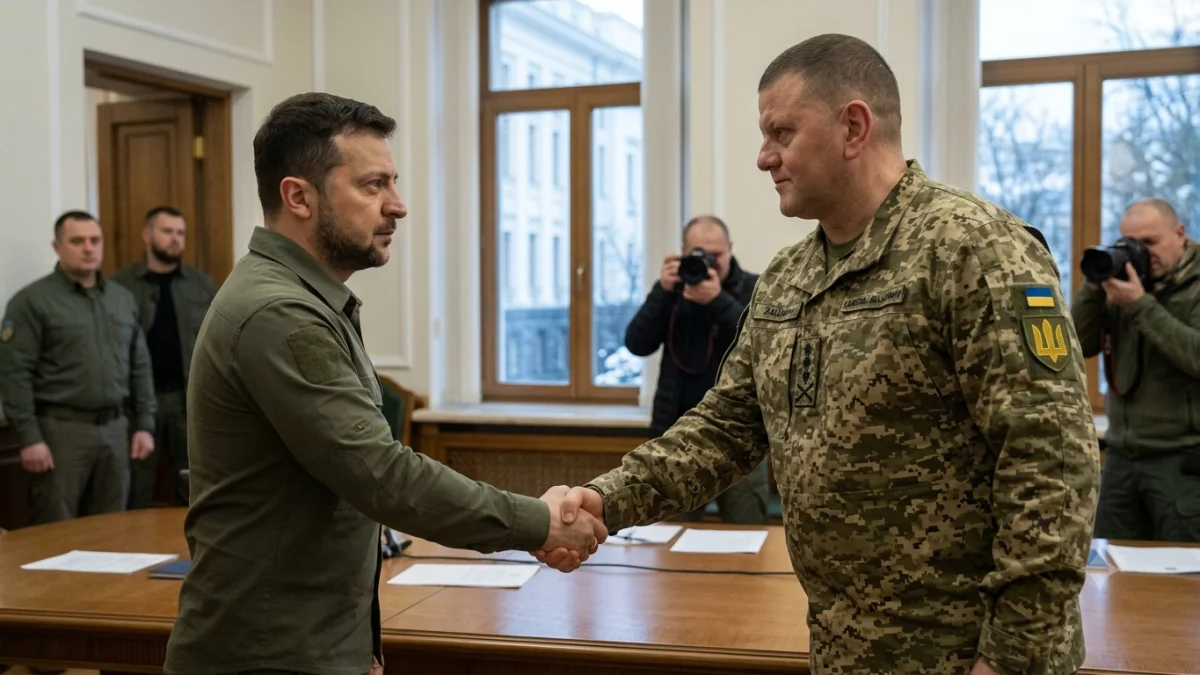
Ukrainian President Volodymyr Zelenskyy attended the gathering and held meetings with allied leaders. NATO Secretary General Mark Rutte said allies remained united in backing Ukraine and reaffirmed the alliance's commitment to collective defence under Article 5 of the Washington Treaty. He said NATO would continue ensuring Ukraine receives the assistance it needs while Russia's military campaign continues.
Beyond Ukraine, leaders discussed defence investment, industrial production and military readiness. NATO members advanced plans aimed at increasing defence capabilities, including new procurement commitments and initiatives to strengthen logistics, fuel infrastructure and unmanned systems.
The summit also reflected continuing debate over burden-sharing within the alliance. Officials reviewed progress toward higher defence spending targets and measures intended to improve Europe's capacity to assume a greater share of collective security responsibilities while preserving transatlantic cooperation.
The Ankara meeting concluded with leaders reaffirming that NATO's strategic priorities remain centred on deterrence, collective defence and sustained support for Ukraine, while acknowledging that instability in the Middle East, including developments involving Iran, will remain an important consideration for the alliance's broader security planning.