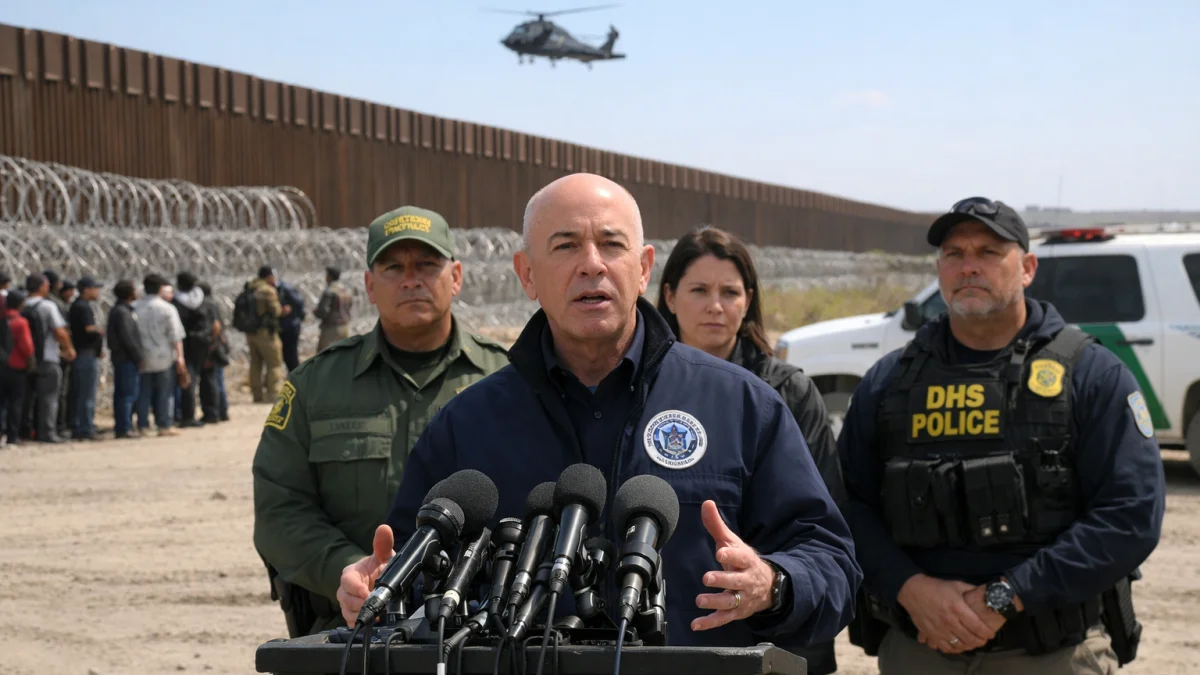
WASHINGTON — U.S. Department of Homeland Security officials said they are continuing to strengthen border security operations while expanding coordination with federal, state and local partners to safeguard the 2026 FIFA World Cup, as the government manages heightened travel volumes and security demands associated with the tournament.
Federal agencies have increased security measures at World Cup venues and surrounding areas, including enhanced counter-drone operations, intelligence sharing and coordination among law enforcement agencies. Since the tournament began on June 11, U.S. authorities have seized more than 600 drones that entered restricted airspace around stadiums and fan zones, according to federal officials. The restrictions prohibit unauthorized drone flights near match venues, and violators may face criminal penalties, fines and confiscation of equipment.
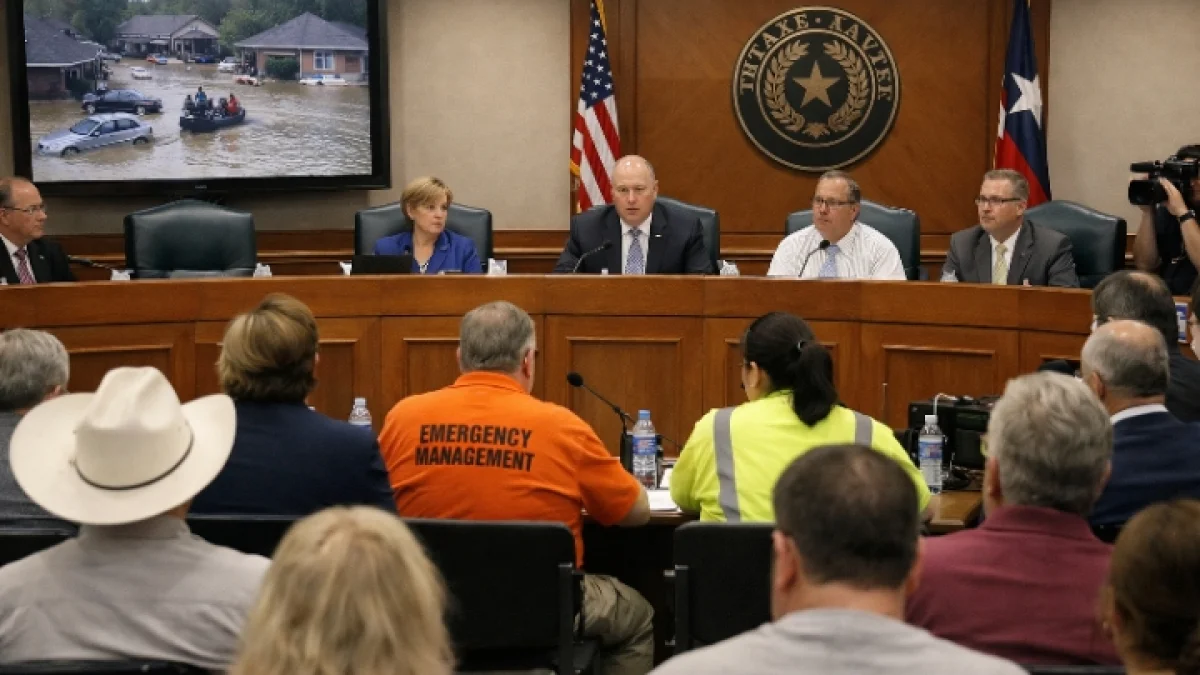
Homeland Security officials have said the security effort is part of broader preparations for a series of major national events, including the World Cup, the America250 celebrations and the 2028 Olympic Games. Congressional hearings earlier this year examined coordination among federal agencies, state and local governments, emergency management organizations and private-sector partners responsible for securing the events.
The Department of Homeland Security has also requested and received funding to support increased operational demands, including additional staffing for U.S. Customs and Border Protection officers expected to process higher numbers of international arrivals during the tournament. Budget documents indicate funding is intended to support overtime, passenger processing and other operational requirements tied to the World Cup.
Members of Congress have highlighted additional investments for counter-drone capabilities and security grants to host cities. According to the House Committee on Homeland Security, lawmakers approved hundreds of millions of dollars for World Cup security preparations and measures intended to improve detection and response to unmanned aircraft threats.
Administration officials have described the tournament as requiring extensive interagency coordination because of its scale, with matches taking place across multiple U.S. cities and millions of expected spectators. Federal authorities have emphasized that intelligence sharing, cybersecurity protections, transportation security and emergency response planning remain central elements of the security strategy.
Officials said security operations and border management efforts will continue throughout the remainder of the tournament, with agencies maintaining coordination centers and monitoring evolving threats while facilitating the movement of athletes, teams and international visitors under existing U.S. immigration and security procedures.