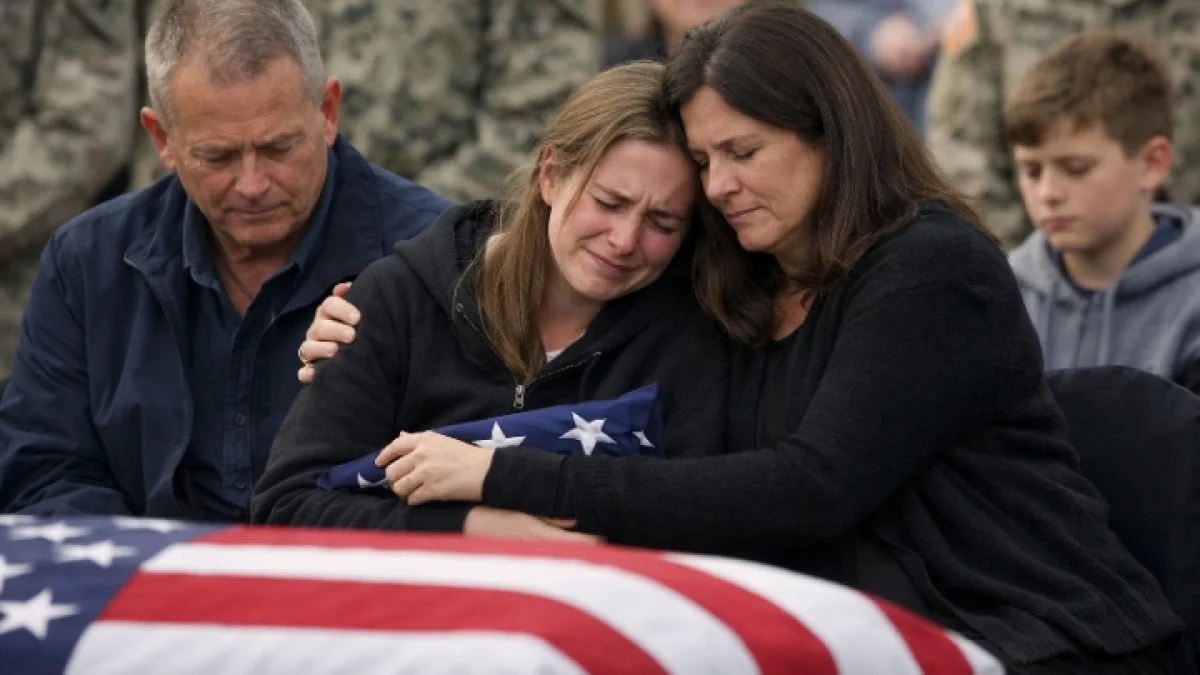
The military's casualty notification process begins long before a public announcement, leaving families to absorb life-changing news in private before the nation learns the names of those who served.
That sequence unfolded again over the weekend as U.S. officials confirmed additional American military deaths in the expanding conflict with Iran. The Pentagon withheld the identities of the fallen until relatives had been informed, following longstanding military policy designed to ensure families receive notification before public disclosure.
Behind each announcement lies a network of parents, spouses, siblings and children suddenly drawn into a war that has steadily widened beyond direct combat inside Iran. American forces stationed across the Middle East have faced missile, drone and other attacks as regional hostilities have intensified, exposing service members deployed in countries including Jordan, Iraq, Kuwait and Saudi Arabia to growing risks.
The latest losses came after Iranian missile and drone attacks targeted U.S. positions in Jordan. U.S. Central Command said two service members were killed while defending against the assault, another remained missing and several others were injured before later being discharged from hospitals in Jordan. Officials initially withheld the names of those killed while notifications were completed.
On Monday, the U.S. military identified the two soldiers as 1st Lt. Tyler James Feehan of Hawaii and Pvt. Isabella Gonzales of Texas. Both had been deployed as part of the U.S. mission supporting operations against the Islamic State before becoming casualties in the broader confrontation with Iran. Their deaths underscored how personnel assigned to longstanding regional missions have become increasingly exposed as the conflict has spread.
The Jordan attack followed another fatal incident in Iraq, where a U.S. service member was killed during the controlled detonation of unexploded ordnance from a downed Iranian drone, according to U.S. Central Command. Although the circumstances differed from direct combat, the death illustrated the persistent dangers that remain even after an attack has ended.
The cumulative toll has continued to rise throughout July. Earlier in the month, the Pentagon reported that 14 U.S. service members had died since the conflict began, including a Navy pilot killed in a helicopter crash in the Arabian Sea that military officials said showed no indication of hostile action. More than 400 U.S. personnel had also been wounded, with Central Command saying most suffered traumatic brain injuries.
Subsequent fatalities in Jordan and Iraq increased the overall death toll further, highlighting how the conflict has evolved into one fought across multiple countries and domains rather than a single battlefield. American officials have repeatedly noted that drones, ballistic missiles and long-range strikes allow combatants to threaten military personnel stationed hundreds of miles from Iran itself.
For military families, casualty notifications are only the beginning of a longer process involving funeral arrangements, military honors, survivor benefits and support from casualty assistance officers. The Department of Defense assigns trained officers to guide next of kin through administrative requirements while providing information on available services. That system, refined over decades of conflict, seeks to balance operational security with the needs of grieving families.
The latest casualties have also renewed attention on the broader human cost of a conflict that has increasingly touched communities across the United States. Every service member represents a hometown, a military unit and a family network that often extends well beyond active-duty installations. As names are released, local communities typically organize vigils, memorial services and tributes, while elected officials and military leaders issue statements recognizing the fallen.
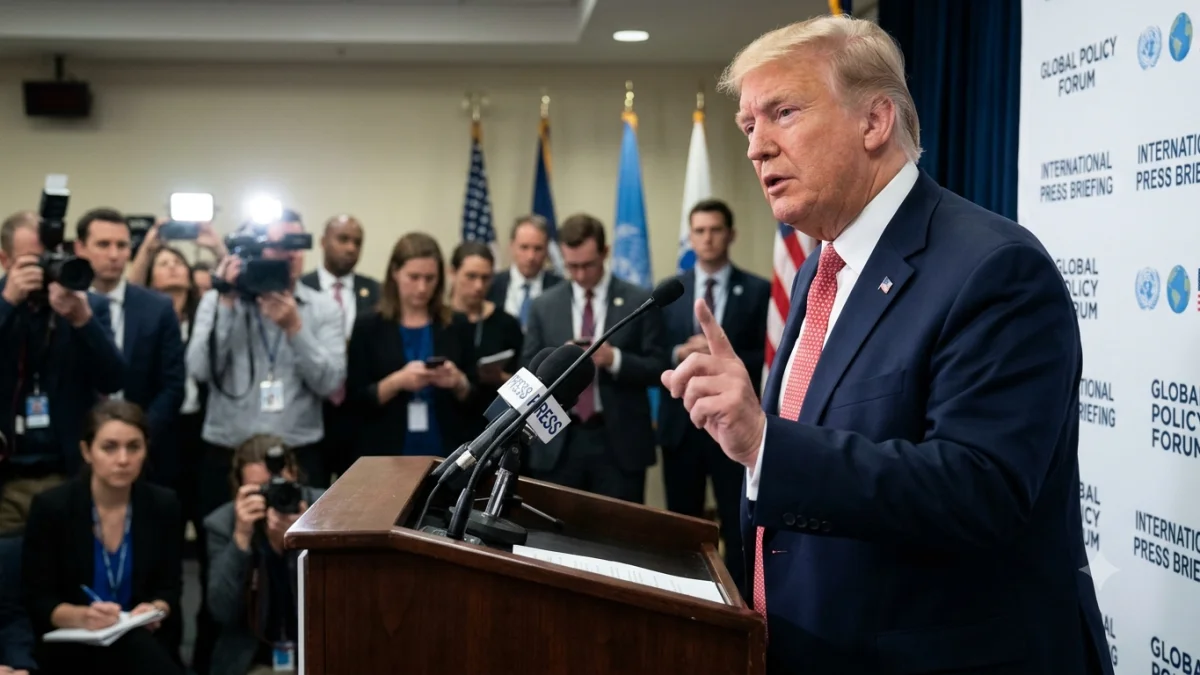
At the national level, the deaths have intensified scrutiny of the administration's military strategy as U.S. forces continue strikes against Iranian military targets following repeated attacks on American personnel. President Donald Trump has defended the campaign as necessary to counter Iran's military capabilities, while also expressing interest in a negotiated end to the fighting.
Military families, meanwhile, remain focused on concerns that transcend strategy or diplomacy: the safety of loved ones still deployed. With thousands of American personnel continuing operations across the Middle East, many households face daily uncertainty as reports of missile launches, drone attacks and retaliatory strikes continue.
The official announcements released over recent days have followed a familiar military cadence—confirmation of casualties, notification of families, identification of the dead and tributes from commanders. For the relatives receiving those first visits, however, the sequence is deeply personal, marking the point at which an overseas conflict becomes part of a family's own history. As the fighting with Iran continues, that private reality remains intertwined with the broader course of a war whose consequences are measured not only in military operations but also in the lives of those left behind.